


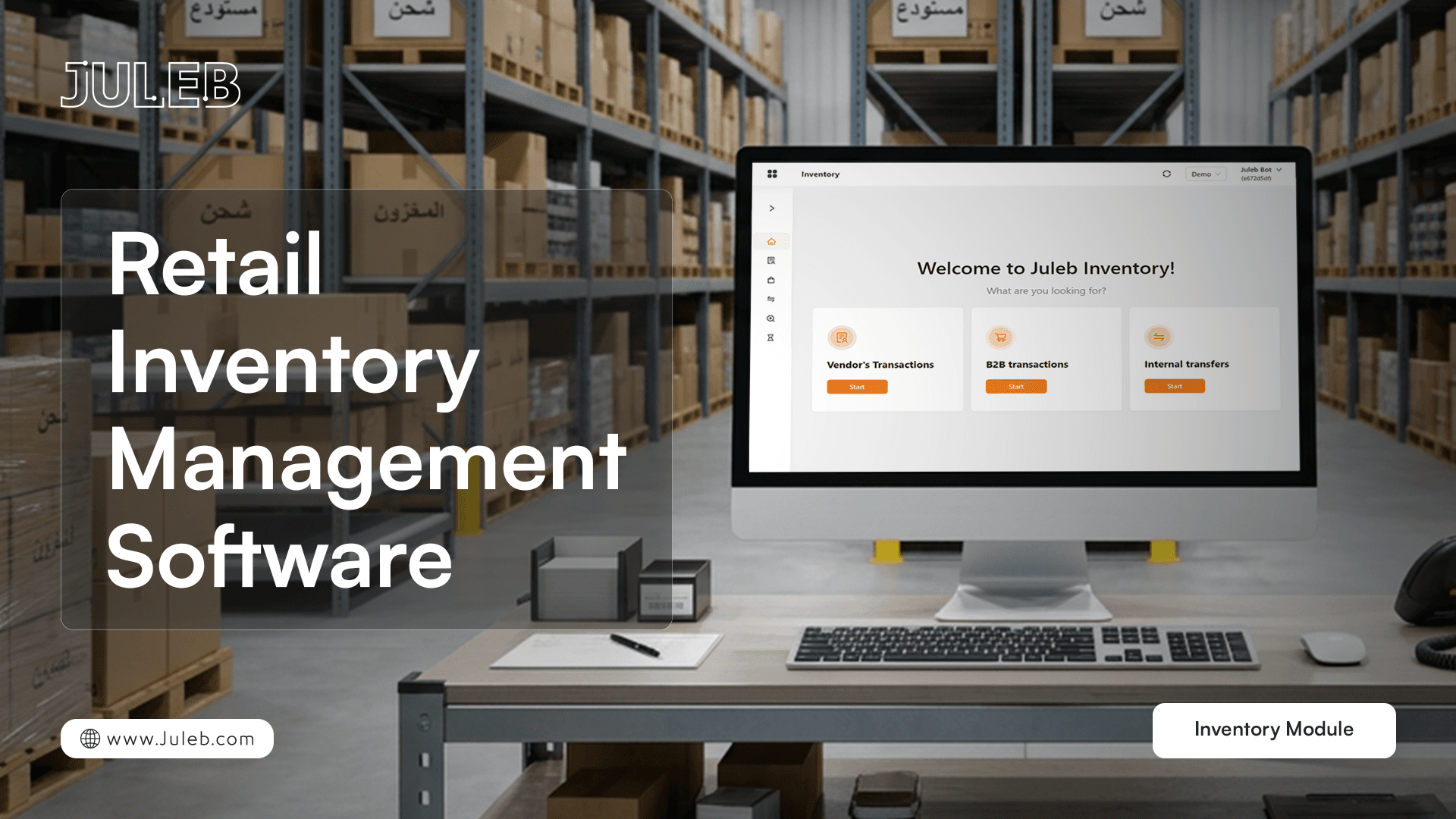
Whether you manage a retail chain, pharmacy network, warehouse distribution center, or e-commerce store, inventory is one of your most valuable assets, and one of your biggest risks if not managed properly.
Stockouts can lead to lost sales and frustrated customers, while overstocking ties up cash flow and increases the risk of waste, damage, or expiration. Manual inventory processes and disconnected systems make it difficult to maintain accurate stock levels, forecast demand, and respond quickly to market changes.
This is why modern retailers are increasingly investing in retail inventory management software, a centralized, intelligent system designed to track, manage, and optimize inventory across all locations in real time.
In this guide, we’ll explore what retail inventory management software is, why it matters, key features to look for, and how the right system can transform your retail operations into a more efficient, profitable, and scalable business.
What Is Retail Inventory Management Software?
Retail inventory management software is a digital solution that helps businesses monitor, control, and optimize stock levels across stores, warehouses, and distribution channels. It automates inventory tracking, purchasing, stock transfers, and reporting ensuring that businesses always know what products they have, where they are located, and when they need to be replenished.
Instead of relying on spreadsheets or manual counts, retailers can use inventory software to:
• Track inventory in real time
• Manage multiple store locations
• Monitor product movement and sales
• Forecast demand accurately
• Reduce stock losses and waste
• Improve operational efficiency
Modern inventory management platforms, such as those offered by Juleb, go beyond basic stock tracking. They integrate with POS systems, accounting software, e-commerce platforms, and supply chain operations creating a unified ecosystem that supports smarter decision-making across the entire business.
Why Retailers Need Inventory Management Software
Retail businesses face constant pressure to maintain product availability while controlling costs. Without a reliable inventory management system, even small inefficiencies can quickly turn into major financial losses.
Here are the most common challenges retailers face without modern inventory software:
1. Inaccurate Inventory Data
Manual processes often lead to discrepancies between recorded and actual stock levels. This results in:
• Stockouts
• Overstocking
• Lost sales
• Customer dissatisfaction
Inventory management software ensures real-time accuracy across all locations.
2. Poor Demand Forecasting
Retail demand can fluctuate due to seasonality, promotions, or market trends. Without data-driven forecasting, businesses struggle to plan inventory effectively. A modern system uses historical sales data to predict future demand and optimize purchasing decisions.
3. Excess Inventory and Waste
Holding too much inventory increases storage costs and risk of product expiration or damage especially in industries such as:
• Retail
• Pharmacies
• Food and beverage
• Cosmetics
• Electronics
Inventory software helps maintain optimal stock levels and reduce unnecessary inventory costs.
4. Limited Visibility Across Locations
Retail chains and multi-store operations often lack centralized visibility into inventory across branches.
Inventory management software provides:
Real-time stock visibility
Centralized inventory control
Automated stock transfers
5. Operational Inefficiencies
Manual inventory management consumes time and increases the risk of human error. Automation improves:
• Speed
• Accuracy
• Productivity
• Cost efficiency
Key Features of Retail Inventory Management Software
Not all inventory systems are created equal. The most effective solutions provide advanced tools that support modern retail operations. Here are the essential features to look for when choosing retail inventory management software.
Real-Time Inventory Tracking
Real-time tracking is the foundation of modern inventory management. It allows businesses to monitor stock movement instantly as products are:
• Received
• Sold
• Transferred
• Returned
This ensures accurate stock levels and eliminates delays in inventory updates.
Multi-Location Inventory Management
Retail businesses often operate multiple stores, warehouses, or distribution centers. Inventory software enables centralized control across all locations, allowing businesses to:
• Track inventory across branches
• Transfer stock between locations
• Balance inventory levels
• Reduce stock shortages
Automated Reordering
Manual purchasing processes can lead to delays or over-ordering. Automated reordering systems:
• Monitor stock levels continuously
• Generate purchase orders automatically
• Prevent stockouts
• Reduce excess inventory
Inventory Forecasting and Demand Planning
Advanced inventory systems analyze historical sales data to predict future demand. This helps businesses:
• Plan inventory more accurately
• Reduce waste
• Improve product availability
• Optimize purchasing decisions
Barcode and Batch Tracking
Barcode scanning improves inventory accuracy and speeds up operations. Batch tracking enables businesses to:
• Track product batches
• Monitor expiration dates
• Manage product recalls
• Ensure regulatory compliance
This feature is particularly important for pharmacies, healthcare suppliers, and regulated retail industries.
Reporting and Analytics
Inventory management software provides real-time reports that help businesses make informed decisions. Common reports include:
• Stock movement reports
• Sales performance reports
• Inventory valuation reports
• Expiration tracking reports
• Loss and shrinkage reports
These insights allow retailers to identify inefficiencies and improve profitability.
Benefits of Using Retail Inventory Management Software
Implementing inventory management software delivers measurable business benefits across operations, finance, and customer experience.
Improved Inventory Accuracy
Automation reduces human error and ensures accurate inventory records across all locations. This leads to:
• Fewer stock discrepancies
• Reduced losses
• Better inventory control
Reduced Operational Costs
Inventory optimization reduces unnecessary expenses such as:
• Excess stock
• Emergency purchasing
• Storage costs
• Product waste
Lower costs directly improve profit margins.
Faster Business Operations
Automated workflows streamline inventory processes, including:
• Receiving goods
• Stock transfers
• Order fulfillment
• Returns processing
This improves efficiency and productivity.
Better Customer Satisfaction
Customers expect products to be available when they need them. Inventory management software ensures:
• Product availability
• Faster order fulfillment
• Accurate delivery timelines
Satisfied customers are more likely to return and recommend your business.
Increased Profitability
Accurate inventory management reduces losses and improves revenue. Businesses benefit from:
• Higher sales
• Lower costs
• Better inventory turnover
Stronger financial performance
Retail Inventory Management Software for E-Commerce and Omnichannel Retail
Today’s retailers often sell products through multiple channels, including:
• Physical stores
• Online stores
• Marketplaces
• Mobile apps
• Distribution networks
Managing inventory across these channels manually is nearly impossible.
Inventory management software integrates with e-commerce platforms and POS systems to provide:
• Real-time inventory synchronization
• Centralized order management
• Accurate stock visibility
• Seamless customer experience
This enables businesses to operate efficiently in an omnichannel retail environment.
How Retail Inventory Management Software Supports Business Growth
As retail businesses expand, inventory management becomes more complex. Growth introduces new challenges such as:
• More products
• More locations
• Higher sales volume
• Increased operational complexity
Inventory management software provides the scalability needed to support business growth without increasing operational risk.
Scalability
Modern systems can handle:
• Thousands of products
• Multiple warehouses
• High transaction volumes
• Complex supply chains
This ensures smooth operations as your business grows.
Data-Driven Decision Making
Inventory software provides accurate data that supports strategic planning. Business leaders can:
• Identify top-selling products
• Optimize inventory levels
• Reduce slow-moving stock
• Improve profitability
Operational Control
Centralized inventory management provides complete visibility into operations, enabling businesses to maintain control even as they expand.
Choosing the Right Retail Inventory Management Software
Selecting the right inventory system is a critical business decision that impacts efficiency, profitability, and long-term growth. Here are the key factors to consider when evaluating inventory management software.
Ease of Use
The system should be user-friendly and require minimal training. A simple interface improves:
• Adoption
• Productivity
• Accuracy
Integration Capabilities
Inventory software should integrate seamlessly with existing systems, including:
• POS systems
• Accounting software
• ERP systems
• E-commerce platforms
• Warehouse management systems
Integration eliminates data silos and improves workflow efficiency.
Customization and Flexibility
Every retail business has unique operational requirements. A flexible inventory system allows businesses to:
• Customize workflows
• Configure reports
• Adapt to changing needs
Security and Data Protection
Inventory data is a critical business asset. The system should provide:
• Secure data storage
• Access controls
• Backup and recovery
Compliance with industry regulations
Technical Support and Implementation
Reliable support ensures smooth system deployment and ongoing performance. Businesses should look for:
• Implementation assistance
• Training programs
• Dedicated support teams
• Continuous system updates
The Future of Retail Inventory Management
Retail inventory management is evolving rapidly as technology advances. Emerging trends include:
• Artificial intelligence for demand forecasting
• Automation and robotics in warehouses
• Cloud-based inventory systems
• Real-time analytics dashboards
• Predictive inventory planning
Retailers that adopt modern inventory technology gain a competitive advantage by improving efficiency, reducing costs, and delivering better customer experiences.
Why Businesses Trust Modern Inventory Solutions from Juleb
Retailers, pharmacies, distributors, and warehouse operators require reliable inventory systems that deliver accuracy, visibility, and operational control. Modern inventory solutions provide:
• Real-time inventory tracking
• Automated stock management
• Multi-location visibility
• Seamless system integration
• Advanced reporting and analytics
• Scalable infrastructure for business growth
These capabilities help businesses reduce risk, improve efficiency, and maintain consistent performance in competitive markets.
Conclusion
Retail inventory management software is no longer optional, it is a strategic necessity for businesses that want to remain competitive in today’s fast-paced retail environment.
By automating inventory processes, improving stock accuracy, and providing real-time visibility, modern inventory systems enable retailers to operate more efficiently, reduce costs, and increase profitability.
Whether you manage a retail chain, warehouse network, pharmacy group, or e-commerce business, investing in the right inventory management software can transform your operations and support long-term growth.
Discover how a modern retail inventory management system can help your business reduce losses, optimize stock levels, and increase profitability.
Book a free demo today with Juleb and see how intelligent inventory management can transform your retail operations.